
Modern intrusion alarms: wireless, app control, video verification and dual-path communication
What has changed in business alarm systems: cloud-connected panels, encrypted wireless detectors, visual event verification, and what the 2G/3G network shutdown means.
November 2026 · 5 min read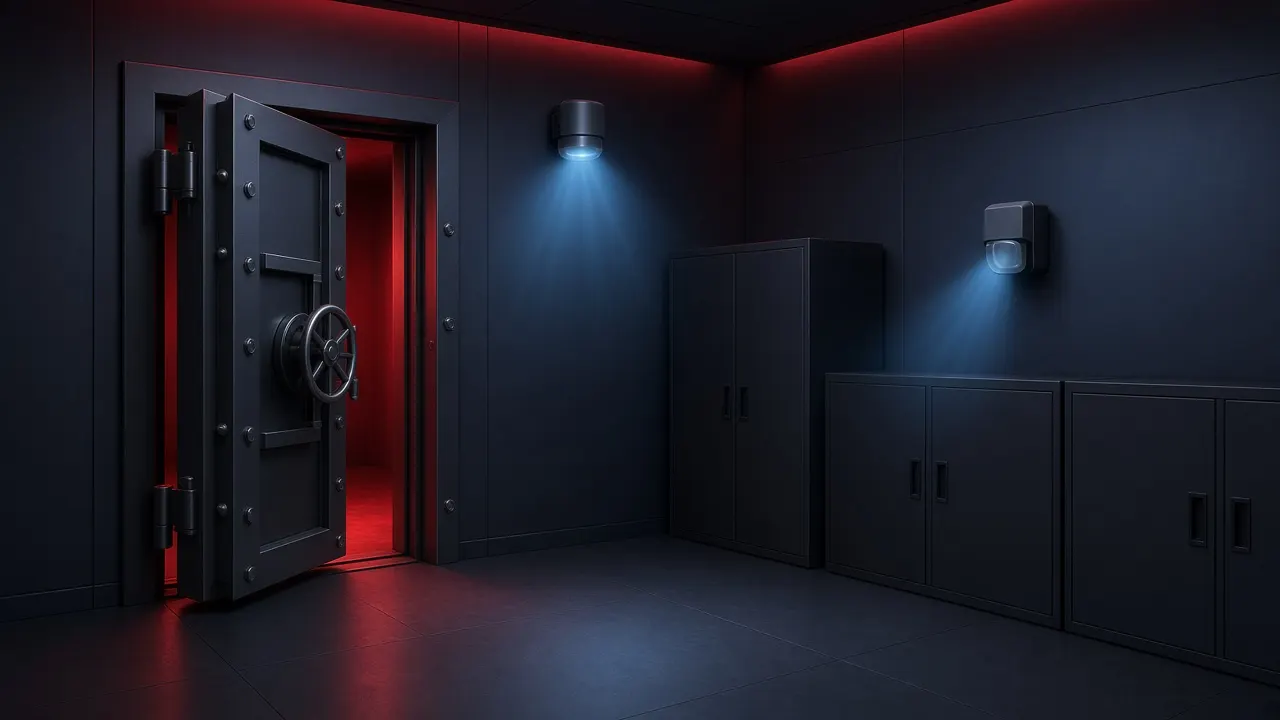
For years an alarm system was a box in a cupboard, a keypad and a telephone dialler to the monitoring centre. Today professional alarm panels communicate over IP and cellular, are managed by app, and integrate with cameras and access control. The principles remain the same (detection, alerting and response) but the tools have changed.
The new generation of wireless detectors
Professional wireless detectors now use two-way, encrypted communication, report battery status and tamper attempts, and allow quick installation without opening walls. They are particularly suitable for busy stores, listed buildings and extensions. Where the standard or the client requires it, or in an environment with radio interference, a wired system is still preferable, and the two are sometimes combined.
App and cloud management
Many panel manufacturers offer cloud management: arming and disarming from the phone, real-time notifications, user and permission management for each branch, and event history. For chains this means seeing in one place which branches are armed at the end of the day. Access must be secure (strong authentication, role-based permissions), and the system must keep working locally without the cloud.
Video verification
One of the most significant developments is visual event verification: a detector with a built-in camera that captures a sequence of images when triggered, or a link between an alarm zone and a security camera. The operator or business owner sees what happened within seconds and can tell a real break-in from a false alarm. This saves unnecessary call-outs and enables a faster response when the event is real.
Dual-path communication and the 2G/3G shutdown
A professional system reports to the monitoring centre over more than one path, for example IP and cellular, so cutting one cable does not silence it. In Israel, the Ministry of Communications is advancing the shutdown of 2G and 3G cellular networks. According to published reports, the plan was updated to a gradual closure, and M2M equipment such as alarm diallers and panels may continue to work on the old networks until the end of 2028. Check which communicators in your system support 4G and plan replacement in advance, not on the day the service stops.
Standards and grades
In Israel, alarm systems in certain areas are subject to SI 1337, and sites such as armories have specific requirements under business licensing. In Europe the EN 50131 series with security grades (Grade 1–4) is common. In principle, the higher the risk, the more you need tamper-resistant detectors, backed-up communication, line monitoring and periodic testing.
What to check when replacing a system
- Can the existing panel and detectors be integrated, or is full replacement needed?
- Communication paths to the monitoring centre and power backup (battery and runtime).
- Integration with cameras for event verification.
- Employee permissions: who arms, who disarms and at what hours.
- Standard, insurance or licensing requirements that apply to the business.
- An annual testing and maintenance plan.
Zoning: a shop example
A typical shop has several zones: front and back doors (opening detectors), the sales floor (motion detectors), stockroom, office and safe (shock detectors), and sometimes display windows (glass-break detectors). Correct zoning shows exactly where an event happened, allows partial arming (for example only the stockroom while the shop is open) and gives the monitoring centre precise information.
Wireless versus wired compared
- Installation: wireless is faster and cleaner; wired needs infrastructure.
- Maintenance: wireless needs battery changes; wired does not.
- Reliability: both are reliable when designed properly; with wireless, check signal and frequencies.
- Flexibility: wireless is easy to move and expand.
Reducing false alarms
- Choose detectors suited to the environment, for example pet-immune detectors in a warehouse.
- Avoid positions facing air-conditioners, heaters or sunny windows.
- Train staff to arm and disarm correctly.
- Use video verification before dispatching a patrol.
A response scenario
A good system also includes a procedure: who receives the alert, in what order, what the monitoring centre does if nobody answers, and when to call a patrol or the police. Write the procedure down and test it in a drill rather than assuming it exists.
Combining alarms and cameras properly
The common setup links each alarm zone to one or more cameras. When the zone triggers, the recorder saves a clip with a few seconds before and after and flags it, and the monitoring centre or owner gets an alert with an image. For this to work, the camera must actually cover the detector's area, both systems' clocks must be synchronised, and clips must be kept even when normal recording is motion-only. Privacy also matters: verification video is for checking the event, and access to it should be limited.
Power backup
An alarm panel runs on a backup battery during a power cut, but associated devices such as the internet router may shut down immediately. If the IP path depends on a router without backup, only the cellular path is left in practice. So plan backup for communication equipment too, and check the actual runtime.
Staff, codes and hours
In chains and businesses with shifts, code management is sensitive. Give each employee a personal code rather than a shared one, so the event log shows who armed and disarmed. When an employee leaves, delete their code immediately. You can also set an alert if the system is not armed by a certain time or is disarmed at an unusual hour, which is especially useful for an area manager responsible for several branches.
Summary
A modern alarm system is smarter, more flexible and easier to manage, but it still needs correct zoning, suitable detectors, reliable communication and maintenance. Integration with video and central management is now the standard in projects for businesses and chains.
Want to check what fits your site?
Leave your details and we will get back to you to arrange a survey and quote.
Sources
- ynet – change to the 2G/3G shutdown plan (Hebrew)
- Funder – first stage of 2G/3G shutdown completed (Hebrew)
- Standards Institution of Israel – SI 1337
- CENELEC – EN 50131 series (Alarm systems)
Articles provide general information only and are not legal, engineering or safety advice. Regulatory requirements change; check the current text with the competent authority.
Related articles

Armory security checklist: alarm, monitoring-centre communication and inspections
A practical checklist for armory managers and security officers: what the system should include according to published requirements, and what matters in routine maintenance.
November 2026 · 5 min read
What changed in Israeli regulation 2023–2026: cameras, fire, armories and communications
A consolidated overview of the main changes affecting low-voltage systems in the last three years, with sources and a clear note of what is still uncertain.
November 2026 · 5 min read
Checklist for a low-voltage service and maintenance contract
What must be written in a service contract for cameras, alarms, access control and fire detection, so service works on the day you really need it.
November 2026 · 5 min read