
Armory security checklist: alarm, monitoring-centre communication and inspections
A practical checklist for armory managers and security officers: what the system should include according to published requirements, and what matters in routine maintenance.
November 2026 · 5 min read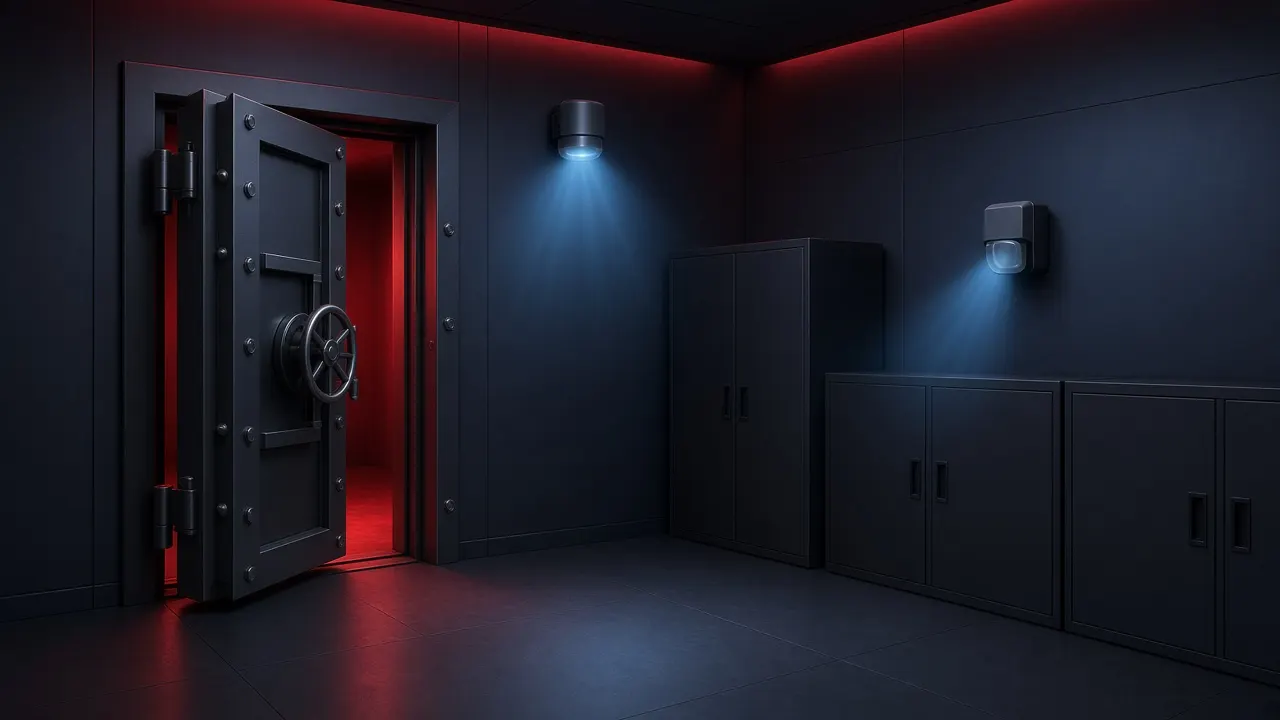
Disclaimer: this list is a general aid and does not replace business licensing requirements, police procedures, SI 1337 or the instructions of the security officer and approving authority. Always follow the current documents.
An armory is one of the most sensitive sites an alarm system protects. The requirements are detailed, inspections are strict, and a design error can delay licensing. From experience working in dozens of armories, here are the points worth reviewing.
1. The governing documents
- Item 9.1 of the Business Licensing Order and the relevant specification on the business licensing website.
- Israel Police procedures on weapon storage.
- SI 1337 part 2: alarm systems by risk level.
- Instructions from the responsible body in the organisation (security officer, government ministry, local authority).
Always check the current edition; in April 2025 the business licensing website published a draft explanatory document for item 9.1b (shooting ranges).
2. The room structure
According to the published documents, there are requirements for the room structure, walls, door and bars, and sometimes for storage cabinets. An alarm system does not replace physical protection; it complements it. Coordinate with the approving authority before installation.
3. Alarm system components
According to the published requirements, the system includes, among other things:
- Opening (magnetic) detectors on doors and openings.
- Shock detectors on walls, door or safes according to the design.
- Motion detectors inside the room.
- A heat detector.
- A keypad in a protected location and personal codes.
- Tamper protection for devices and cabling.
- Suitable battery backup.
4. Communication to the monitoring centre
- Connection to a monitoring centre with the appropriate licence (item 9.4 in business licensing).
- Two communication paths: wired and wireless/cellular, so that losing one does not stop reporting.
- Line supervision and periodic communication tests.
- Checking that the cellular communicator supports 4G in light of the 2G/3G network shutdown.
5. Inspections and approvals
- An acceptance test after installation, with proper documentation of design and components.
- An annual inspection according to the requirements, with written approval.
- Logging every fault, alarm and repair.
6. Routine maintenance
- Checking batteries and detectors, cleaning and calibration.
- Scenario testing: door opening, shock, motion, and receipt at the monitoring centre.
- Updating codes and users when staff change.
- Re-checking after any change to the room or door.
7. Cameras
Cameras are not a substitute for a standards-compliant alarm, but they add a layer of verification and documentation. Ensure camera cyber security (no internet exposure) and restricted viewing permissions.
8. Common mistakes
- A motion detector positioned so it does not cover the whole room.
- Only one communication path.
- Missing documentation required at inspection.
- A system not tested since installation.
A quick check table
Before the annual inspection, go through these questions and mark yes/no:
- Are all doors and openings covered by opening detectors?
- Does the motion detector cover the whole room, including corners?
- Are shock detectors installed where the design specifies?
- Is there a heat detector?
- Does the system report to the monitoring centre over two paths, and has each path been tested separately?
- Has the battery been tested and does it hold the required backup time?
- Have codes been updated to the current list of authorised people?
- Is the documentation (design, component list, previous approvals) available?
Testing communication paths: how to do it
A proper test deliberately disconnects the wired path and checks that the monitoring centre receives an event over cellular, and vice versa. This confirms the backup actually works, not just exists on paper. Coordinate the test with the monitoring centre in advance.
When to upgrade
- When the panel or communicator is no longer supported, or depends only on 2G/3G.
- When requirements have changed or the room has been structurally altered.
- When false alarms or recurring faults increase.
Coordinating with the parties involved
An armory project usually involves several parties: the business or organisation, the security officer, the monitoring centre and sometimes an external approving body. Decide in advance who approves the design, who coordinates the monitoring connection and who holds the documentation. This avoids installing a system and only then discovering a component required at inspection is missing.
Training users
Even a perfect system depends on its users: arming after every use, keeping codes confidential, reporting faults immediately and never leaving the door open "for a moment". Brief training for every authorised person, refreshed when new people join, is part of security.
Documentation to keep in one place
- System design and component list.
- Previous inspection approvals.
- Monitoring-centre details and connection agreement.
- List of authorised people and codes (secured).
- Fault and repair log.
Emergencies and drills
Beyond the technical check, occasionally rehearse a scenario: trigger the alarm deliberately and check that the monitoring centre identifies the site correctly, contacts are available and everyone knows the procedure. Drills reveal gaps such as an outdated phone number or a keyholder who has left, which are easy to fix before a real event.
Summary
An armory needs a system designed to the requirements, carefully installed and tested regularly. Zohar Cameras has installed SI 1337 systems in dozens of armories and can help review an existing system or design a new one.
Want to check what fits your site?
Leave your details and we will get back to you to arrange a survey and quote.
Sources
- Business licensing – item 9.1b, draft explanatory document (April 2025, Hebrew)
- Israel Police – weapon storage procedure (Hebrew)
- Business licensing specifications site (Hebrew)
Articles provide general information only and are not legal, engineering or safety advice. Regulatory requirements change; check the current text with the competent authority.
Related articles

Modern intrusion alarms: wireless, app control, video verification and dual-path communication
What has changed in business alarm systems: cloud-connected panels, encrypted wireless detectors, visual event verification, and what the 2G/3G network shutdown means.
November 2026 · 5 min read
What changed in Israeli regulation 2023–2026: cameras, fire, armories and communications
A consolidated overview of the main changes affecting low-voltage systems in the last three years, with sources and a clear note of what is still uncertain.
November 2026 · 5 min read
Checklist for a low-voltage service and maintenance contract
What must be written in a service contract for cameras, alarms, access control and fire detection, so service works on the day you really need it.
November 2026 · 5 min read